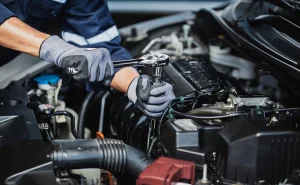
A replacement transmission can solve a major vehicle problem, but the unit must be installed correctly. One missed connection, loose mount, blocked cooler line, or incorrect fluid can damage the replacement before you leave the repair shop.
Transmission installation involves much more than removing one unit and fitting another. The transmission must align with the engine, connect securely to the drivetrain, communicate with the vehicle computer, and receive proper lubrication. The installer must also inspect supporting parts that could harm the new unit. Careful installation protects more than the transmission itself. It supports your engine, axles, cooling system, mounts, electrical components, and overall driving performance. Here are nine ways proper transmission installation protects your car and helps the replacement deliver reliable performance.
How Correct Transmission Alignment Prevents Costly Damage
The transmission must align accurately with the engine before the mounting bolts are tightened. Poor alignment can place harmful pressure on the transmission housing, input shaft, flexplate, and engine components.
An installer should never use mounting bolts to pull a misaligned transmission into position. Doing this may crack the housing or damage internal parts before the vehicle starts moving.
Proper alignment helps the transmission sit evenly against the engine. It also allows power to move smoothly through the drivetrain without unnecessary resistance.
What Correct Transmission Positioning Helps Protect
- The transmission input shaft
- The engine crankshaft
- The flexplate or flywheel
- The transmission housing
- Nearby seals and bearings
Small alignment errors can create vibration, unusual noises, fluid leaks, and premature wear. Careful positioning prevents these problems from developing after installation.
How Proper Torque Converter Seating Protects Key Parts
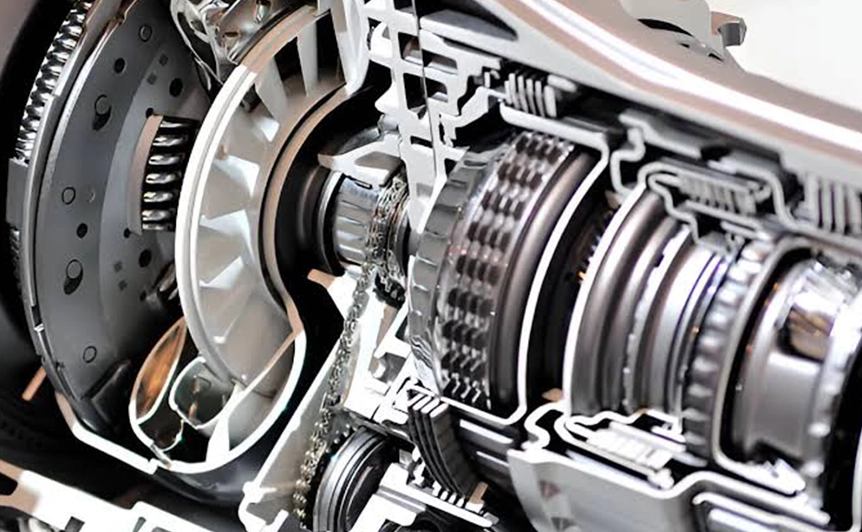
Automatic transmissions use a torque converter to transfer engine power into the transmission. This component must sit completely inside the transmission before installation.
The torque converter often engages with several internal parts, including the input shaft, stator support, and transmission pump. If it is not fully seated, tightening the transmission against the engine can damage the pump.
A damaged pump may prevent fluid from circulating correctly. Without proper fluid pressure, the transmission may slip, overheat, or fail to move the vehicle.
What Proper Torque Converter Installation Prevents
- Maintain proper fluid circulation
- Protect the transmission pump
- Prevent internal pressure loss
- Support smooth acceleration
- Reduce unusual noises
The installer should also inspect the torque converter for wear, contamination, or damage. Reusing a damaged converter can send debris into the replacement transmission.
Clean Cooler Lines Stop Debris From Damaging Gears
Automatic transmissions rely on fluid to control heat. That fluid travels through cooler lines and may pass through a radiator-mounted or separate transmission cooler.
When an old transmission fails, it can release metal particles, clutch material, and burnt fluid into the cooling system. Installing another transmission without cleaning those parts allows the debris to circulate again.
Contaminated fluid can block narrow passages, scratch internal surfaces, damage solenoids, and restrict lubrication. The replacement transmission may develop problems within a short time.
Key Steps Every Proper Transmission Install Includes
- Inspecting the transmission cooler
- Flushing the cooler lines
- Checking for restricted fluid flow
- Replacing heavily contaminated parts
- Confirming that fluid circulates correctly
Some coolers cannot be cleaned thoroughly after a major transmission failure. In that situation, replacing the cooler may protect the new unit better than flushing it.
Correct Transmission Fluid Protects Pressure And Lubrication
Transmission fluid does several important jobs. It lubricates moving parts, controls hydraulic pressure, reduces heat, and helps automatic transmissions change gears.
Not every transmission uses the same fluid. Manufacturers design fluids with different friction properties, thickness levels, and additives. A fluid that works in one vehicle may cause shifting problems in another.
What Using The Wrong Transmission Fluid Can Cause
- Harsh or delayed shifting
- Transmission slipping
- Excessive heat
- Seal damage
- Poor lubrication
- Internal clutch wear
The fluid level must also be accurate. Too little fluid can reduce lubrication and pressure. Too much fluid can create foam, leaks, and unstable hydraulic operation.
Some vehicles require the fluid level to be checked at a specific temperature. Others require the engine to remain running during the check. Following the correct procedure protects the transmission from avoidable damage.
How Secure Transmission Mounts Reduce Harmful Vibration
Transmission mounts hold the unit in position while absorbing movement from the engine and drivetrain. Worn, cracked, or loose mounts allow the transmission to shift during acceleration, braking, or gear changes.
Parts Excessive Transmission Movement Can Damage
- Axles
- Driveshafts
- Exhaust parts
- Wiring connections
- Cooler lines
- Shift cables
- Engine mounts
A damaged mount can also cause clunking sounds when you shift between park, reverse, and drive. You may feel vibration through the floor or steering wheel.
During installation, the technician should inspect every transmission and engine mount. Replacing worn mounts while the transmission is already removed may prevent additional labor later.
Secure mounts keep the drivetrain positioned correctly. They also reduce movement that could damage newly connected parts.
Sealed Transmission Connections Prevent Costly Leaks
A transmission contains several seals, gaskets, fittings, and fluid connections. Each one must remain secure after installation.
Even a small leak can lower the fluid level over time. Low fluid reduces lubrication and hydraulic pressure, which can cause slipping, overheating, and internal wear.
Common Transmission Leak Points To Watch For
- Axle seals
- Output shaft seals
- Transmission pan gasket
- Cooler line fittings
- Torque converter seal
- Electrical connector seals
- Drain and fill plugs
Old seals may harden, shrink, or crack. Reusing a damaged seal can create a leak shortly after installation.
The installer should inspect the sealing surfaces and use the correct replacement parts. After adding fluid, the vehicle should run while the technician checks each connection for fresh leaks.
Preventing fluid loss protects the transmission and keeps leaking fluid away from hot exhaust components.
Accurate Transmission Wiring For Smooth Shifting
Modern transmissions use sensors, solenoids, modules, and electrical connectors to control shifting. The vehicle computer monitors speed, throttle position, fluid pressure, temperature, and other operating conditions.
Problems Caused By Loose Transmission Connectors
- Incorrect gear changes
- Delayed shifting
- Limp mode
- Check engine warnings
- Transmission fault codes
- Loss of certain gears
Wiring can become stretched or damaged during removal. Connectors may also contain corrosion, broken locking tabs, or bent pins.
A careful installer checks the wiring before reconnecting it. Every harness should stay clear of moving parts, sharp edges, and hot exhaust surfaces.
Correct electrical connections allow the computer to receive accurate information and send the right commands to the transmission.
Proper Transmission Programming For Better Shifts
Many replacement transmissions require programming, resetting, or an adaptive relearning procedure. The exact process depends on the vehicle’s year, model, and control system.
The vehicle computer may store adjustment values from the old transmission. Those values may not suit the replacement unit. Leaving outdated settings in place can cause rough shifts or delayed engagement.
Key Steps In Transmission Programming Setup
- Updating transmission control software
- Resetting adaptive shift values
- Matching the control module to the vehicle
- Clearing old fault codes
- Completing a relearning drive
During relearning, the computer monitors gear changes and adjusts pressure for smoother operation. The driver may notice slight differences in shifting during the first few trips.
Skipping required programming can make a correctly installed transmission feel faulty. Completing the electronic setup helps the replacement communicate properly with the rest of the vehicle.
Final Transmission Testing To Protect Your Car
A transmission installation is not complete when the last bolt is tightened. The vehicle must be inspected and tested under operating conditions.
The technician should first run the vehicle while checking the fluid level, leaks, warning lights, and gear engagement. The transmission should enter park, reverse, neutral, and drive without unusual delays.
What A Transmission Road Test Should Reveal
- Low-speed gear changes
- Highway shifting
- Acceleration response
- Downshifting
- Transmission temperature
- Unusual noises
- Drivetrain vibration
- Fluid pressure
The vehicle may need another fluid check after the road test. Fluid can move through the cooler, lines, and internal passages during operation, causing the level to change.
Final testing catches loose fittings, incorrect fluid levels, wiring faults, and shifting concerns before they cause greater damage.
Protect Your Transmission With Proper Installation
Proper transmission installation protects your car by keeping its mechanical, cooling, electrical, and drivetrain systems working together. Correct alignment, clean cooler lines, proper fluid, secure mounts, sealed connections, and accurate programming can reduce leaks, overheating, rough shifting, and repeated repairs.
AR Motors TX offers transmission installation services for drivers who need dependable replacement work. We inspect related components, install the correct transmission, check fluid levels, complete required testing, and confirm that your vehicle shifts properly before it returns to the road.
Transmission Installation Questions Drivers Ask
How Long Does Transmission Installation Take?
Many installations take one to three working days. The timeline depends on the vehicle design, transmission availability, programming needs, and related repairs.
Can Poor Installation Damage A New Transmission?
Yes. Incorrect alignment, contaminated cooler lines, low fluid, loose wiring, or improper torque converter seating can damage the replacement unit.
Do All Replacement Transmissions Need Programming?
No. However, many newer vehicles require programming, module matching, or adaptive relearning. The installer should check the manufacturer’s requirements.
Why Transmission Cooler Lines Must Be Flushed
Old transmission failures can leave metal and clutch material inside the lines. Flushing prevents this debris from entering the replacement transmission.
What To Check After Transmission Installation
Watch for fluid leaks, warning lights, burning smells, rough shifting, unusual noises, delayed engagement, or weak acceleration. Report any concerns promptly.